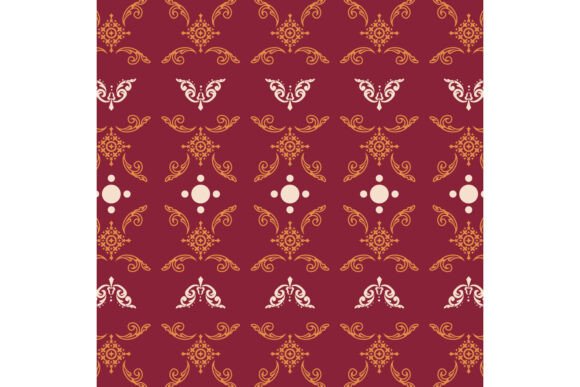
Decorative Abstract Ethnic Oriental Graphics & Patterns
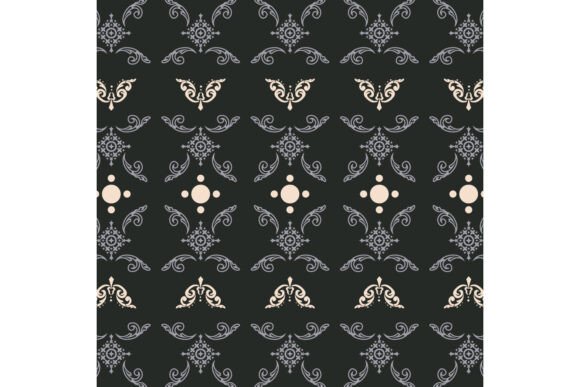
As a digital publisher who has spent over a decade curating visual assets for high-traffic blogs and content platforms, I approach every new design file with a critical eye. The market is flooded with generic stock imagery that fails to build reader trust or enhance editorial quality. Recently, I tested a specific graphic design asset titled Decorative Abstract Ethnic Oriental to see if it could elevate my upcoming content calendar. My first impression was immediate: this is not just a background; it is a mood setter. The intricate details of the indonesian batik pattern graphic bring a sense of heritage, craftsmanship, and artistic depth that feels both timeless and surprisingly modern.
When reviewing an asset like Decorative Abstract Ethnic Oriental, the primary question is always about editorial fit. Does it scream "professional," or does it feel cluttered? In this case, the abstract ethnic motifs create a sophisticated atmosphere perfect for lifestyle niches, travel blogs, cultural education sites, and artisanal small business branding. It avoids the sterile look of corporate minimalism while maintaining enough structure to support strong typography. For a publisher looking to inject personality into their brand identity without sacrificing readability, this pattern offers a compelling middle ground between decorative flair and functional web design.
Elevating Editorial Layouts with Authentic Texture
The true value of Decorative Abstract Ethnic Oriental lies in its versatility across various publishing formats. In my workflow, I immediately began testing how this asset performs as a website header and within article graphics. Unlike flat vector shapes that can feel cheap on high-resolution displays, the organic flow of the batik-inspired lines adds texture that keeps the eye engaged. When used as a subtle overlay behind a hero section, it creates a rich backdrop that makes white text pop, significantly improving the visual hierarchy of the page.
I also explored its potential for social media graphics, specifically Pinterest pins. In the world of content marketing, a pin needs to stop the scroll instantly. The bold, rhythmic nature of the patterns in this set provides a strong frame for headlines, making them stand out against the noise of a crowded feed. Whether creating a digital guide cover, a newsletter banner, or a lead magnet thumbnail, this asset helps establish a consistent creative design language. It signals to the reader that the content inside is curated, thoughtful, and worth their time.
Strategic Applications for Content Creators
For bloggers and affiliate marketers, consistency is key to building authority. Here are the specific scenarios where Decorative Abstract Ethnic Oriental shines brightest:
- Blog Featured Images: Use the pattern as a textured background for custom thumbnails. It differentiates your posts from standard stock photos and reinforces your unique brand voice.
- Digital Products and Printables: If you sell eBooks, worksheets, or digital guides, applying this pattern to the cover design elevates the perceived value of the product instantly.
- Newsletter Headers: A branded header using these Graphics ensures your email campaigns feel cohesive and professional, increasing open rates through familiar visual cues.
- Affiliate Marketing Visuals: When promoting products related to home decor, fashion, or culture, this pattern serves as a thematic bridge between your content and the affiliate offer.
- Canva Templates: Designers can integrate these files into Canva templates to offer clients premium-looking social media kits and presentation decks.
The inclusion of multiple file formats—Ai, Eps, Png, Jpg, and Svg—is a massive advantage for publishers working across different mediums. The vector files (Ai, Eps, Svg) allow for infinite scaling without loss of quality, which is essential for large format prints or high-DPI screens. Meanwhile, the raster formats (Png, Jpg) are ready for immediate web deployment, saving hours of export time during tight publishing deadlines.
Optimizing for Performance and Readability
While the aesthetic appeal of Decorative Abstract Ethnic Oriental is undeniable, a responsible publisher must consider technical constraints. One common pitfall with complex patterns is that they can overwhelm text if not managed correctly. To ensure optimal performance, I recommend testing the asset at various opacities. Using the pattern at 10% to 20% opacity behind a headline often yields better results than using it at full strength. This technique maintains the visual interest without compromising legibility.
It is also crucial to evaluate how the design holds up on mobile devices. Small mobile thumbnails require careful contrast management. If the pattern is too busy, it may blend into the background of a smartphone screen, rendering the image invisible. Always preview the design inside a real blog layout before going live. Check how it pairs with different font styles: serif fonts often complement the traditional roots of the batik motif, while clean sans-serif fonts provide a striking modern contrast. Even script and handwritten fonts can work beautifully if the spacing is generous.
Furthermore, do not overlook file size optimization. High-resolution images can slow down page load times, negatively impacting SEO and user experience. Before uploading the Png or Jpg versions to your site, compress them using tools like TinyPNG or Squoosh to balance quality with speed. A fast-loading site with beautiful graphics is the ultimate goal for any digital entrepreneur.
When to Exercise Caution
Despite its strengths, Decorative Abstract Ethnic Oriental is not a one-size-fits-all solution. There are contexts where this style should be used sparingly or avoided entirely. For instance, serious corporate niches such as legal services, medical advice, or financial planning often require a stark, minimalist aesthetic to convey absolute seriousness. Introducing a decorative ethnic pattern in these sectors might undermine the perception of professionalism.
Additionally, avoid using this asset in text-heavy blog images where the pattern competes directly with dense paragraphs. In low-contrast environments or busy layouts, the intricate details of the batik pattern can become distracting rather than supportive. It works best when there is ample negative space around the text, allowing the design to breathe. Always review the commercial licensing terms before deploying these assets on monetized websites or paid content products to ensure you have the right to use them for affiliate marketing and digital sales.
Building Trust Through Polished Visuals
In the competitive landscape of online publishing, visual polish is synonymous with credibility. Readers subconsciously judge the quality of your information based on the quality of your design. By integrating high-quality assets like Decorative Abstract Ethnic Oriental into your workflow, you signal that you care about the user experience. This attention to detail fosters trust, encourages longer session durations, and ultimately drives higher conversion rates for your digital products and affiliate links.
This graphic design asset represents more than just a decorative element; it is a tool for storytelling. Whether you are crafting a digital download, designing a category thumbnail, or building a comprehensive media kit, the ability to leverage authentic, culturally rich patterns sets your content apart. As we continue to navigate the evolving demands of web design and content marketing, having a library of versatile, high-quality Graphics and Patterns is essential. Decorative Abstract Ethnic Oriental stands out as a resource that bridges the gap between traditional artistry and modern digital utility, offering creators a powerful way to express their unique vision.