Abstract Decorative Element Bold Outline Review
As a designer who has spent years translating digital files into tangible thread, I approach every new machine embroidery design with a mix of excitement and skepticism. The market is flooded with generic patterns that look great on a screen but fall apart under the needle. When I first encountered the Abstract Decorative Element Bold Outline, I was looking for something to elevate a line of custom tote bags for a local boutique client. The promise of "minimalistic magnificence" caught my eye immediately. In the world of custom apparel and handmade goods, minimalism is often where true quality shines, provided the execution is flawless.
First Impressions: A Study in Contrast and Flow
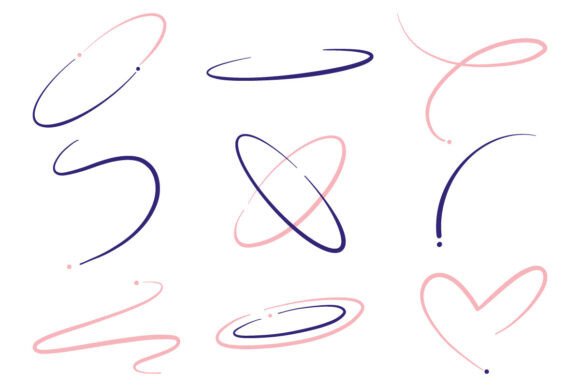
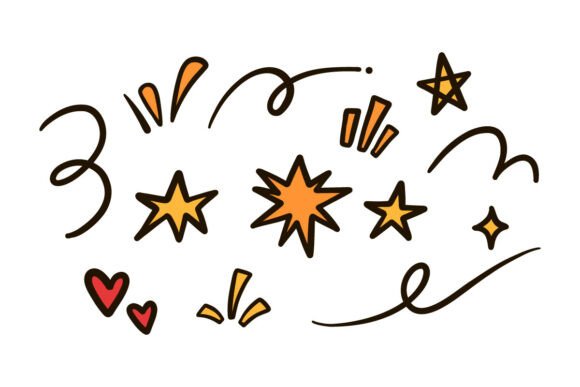
The initial visual impact of the Abstract Decorative Element Bold Outline is striking. Unlike intricate floral arrangements or dense character art, this collection leans heavily into clean lines and negative space. The description mentions a compilation of thirteen uniquely crafted designs, ranging from twinkling stars to other geometric forms. What stands out most is the confidence of the outline. It does not rely on heavy fill stitches to make its presence known; instead, it uses the boldness of the line itself to create a modern, graphic aesthetic.
For an Etsy seller or a creative entrepreneur building a brand identity, this kind of Graphics asset is invaluable. It feels less like a decorative afterthought and more like a deliberate design choice. The mood it creates is sophisticated yet accessible. It suggests a finished product that is thoughtful and curated. When I imagine this stitched onto a high-quality canvas tote bag or a heavyweight cotton sweatshirt, the visual personality screams "boutique." It avoids the cluttered look that plagues many mass-market designs, offering a clean silhouette that customers are likely to appreciate for its timeless appeal.
Real-World Application: From Screen to Stitch
Let's talk about how this actually performs when you move from the computer screen to the hoop. I recently tested a similar bold outline concept on a series of kitchen towels and aprons for a holiday gift set. The key here is the stitch type. Because the Abstract Decorative Element Bold Outline relies on strong perimeters, it is ideally suited for a combination of satin stitch and running stitch. This ensures the edges remain crisp without becoming bulky.
When preparing a sweatshirt embroidery project, the fabric texture plays a massive role. Fleece and French terry can sometimes swallow delicate details, but a bold outline like this cuts through the nap of the fabric effectively. I found that using a slightly higher stitch density on the outer edge helped define the shape against the textured background. For a baby embroidery item, such as a onesie or a soft blanket, the smoothness of the satin stitch is crucial. Since there are no tiny, sharp corners in these abstract shapes, the risk of puckering is significantly reduced compared to complex lettering or detailed icons.
Consider the scenario of creating an embroidered patch. The bold nature of the Abstract Decorative Element Bold Outline makes it perfect for patches because the design remains recognizable even when detached from the garment. Whether it's a logo for a small shop product or a decorative accent on a denim jacket, the clarity holds up. This versatility extends to commercial embroidery projects where consistency across hundreds of items is required. The design's simplicity means fewer errors during production, leading to a higher yield of sellable inventory.
Navigating Challenges: Where Caution is Key
While the design is robust, it is not immune to the common pitfalls of embroidery. One area where you must be careful is with small hoop sizes. If you attempt to shrink this design too much for a cap or a small pocket, the bold outlines can become thick and blob-like, losing their intended elegance. Always check the scaling options before committing to a digital embroidery file download. Ensure the final dimensions maintain the integrity of the line weight.
Fabric choice is another critical factor. On very thin fabrics like silk or chiffon, the density required to achieve a bold outline might cause visible distortion or show-through on the reverse side. In these cases, a heavy-duty stabilizer is non-negotiable. Similarly, on dark fabrics, the contrast becomes your best friend. If you use a light-colored thread on a black hoodie, the bold outline will pop beautifully. However, if the color contrast is low, the design may appear muddy. Always test your thread colors on a scrap piece of the actual fabric before starting the full run.
Curved surfaces, such as caps, present a unique challenge. The tension of the fabric stretching over the curve can sometimes distort straight lines or gentle curves in the Abstract Decorative Element Bold Outline. It is wise to test the design on a curved surface first to see how the machine handles the turns. Additionally, for products that require frequent washing, such as tea towels or gym wear, ensure the stitching is secure. While satin stitch is durable, excessive friction can eventually fray loose threads if the density isn't optimized.
Practical Designer Notes for Success
To get the most out of the Abstract Decorative Element Bold Outline, I recommend a few practical steps. First, always test the design on scrap fabric that matches your final project material. This allows you to adjust the tension and verify the hoop size requirements. Second, review the stitch density settings. Sometimes, the default settings in an embroidery file need tweaking to match the specific thickness of your chosen thread.
Visualizing the final result is equally important. Create printable mockups in both black and white to see how the design translates without color bias. Compare how it looks on light versus dark backgrounds to determine which thread colors will offer the best visibility. Remember, a well-placed design elevates the perceived value of the finished product. It signals to the customer that attention was paid to detail, fostering trust in your brand.
Finally, do not overlook the licensing terms. As a craft business owner or digital product seller, you must confirm whether the Abstract Decorative Element Bold Outline can be used for commercial purposes. Can you sell the physical items? Can you resell the digital embroidery file? Understanding these boundaries protects your business and ensures you are operating ethically. Whether you are making a personalized gift for a friend or stocking shelves for a holiday sale, this design offers a versatile, modern touch that fits seamlessly into a wide range of projects.
Final Thoughts on Value and Versatility
In conclusion, the Abstract Decorative Element Bold Outline is a powerful addition to any designer's toolkit. Its ability to bridge the gap between simple Icons and complex Graphics makes it a standout choice for those seeking a modern aesthetic. By understanding its strengths and limitations, you can leverage this design to create high-quality, professional-looking items that stand out in a crowded marketplace. Whether it's a tote bag design for a coffee shop or a unique accent on a wedding gift, the potential for creativity is vast. Just remember to test, stabilize, and respect the fabric, and you will achieve results that truly reflect the "minimalistic magnificence" promised by the collection.