Floral Wildflower Decorative Elements Review
As a designer who has spent years translating digital concepts into tangible stitched goods, I approach every new asset with a mix of excitement and skepticism. The market is flooded with generic vectors that look great on a screen but fall apart under the needle. When I first opened the package for Floral Wildflower Decorative Elements, my goal was simple: determine if this collection could survive the transition from a Graphics file to a high-quality handmade product. This isn't just about pretty pictures; it is about how these shapes translate into thread, how they sit on fabric, and whether they will help or hinder your craft business.
The First Impression: Mood and Visual Personality
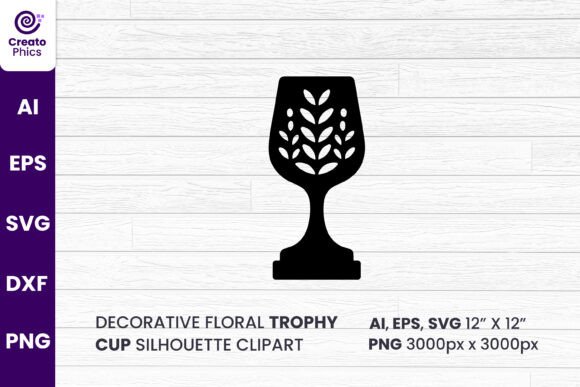
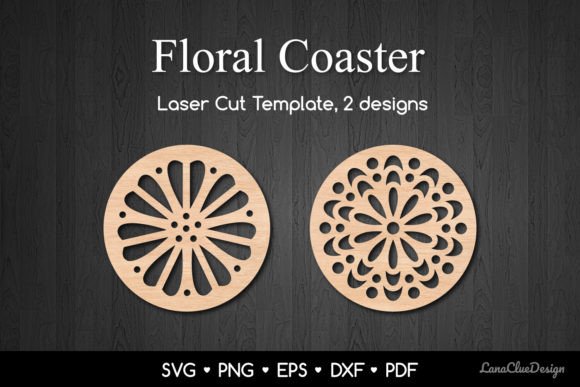
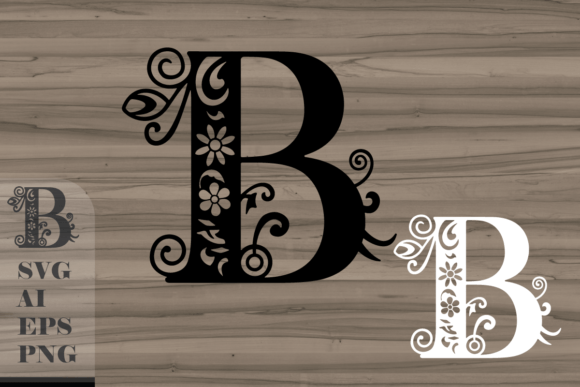
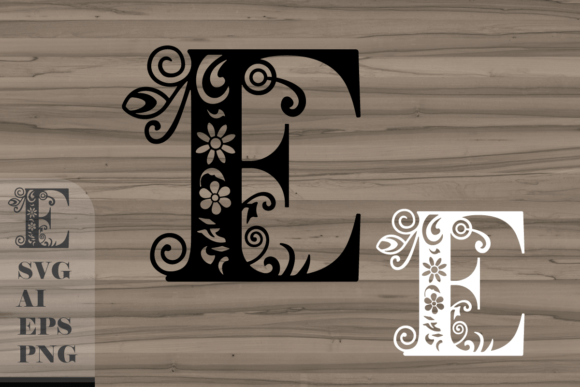
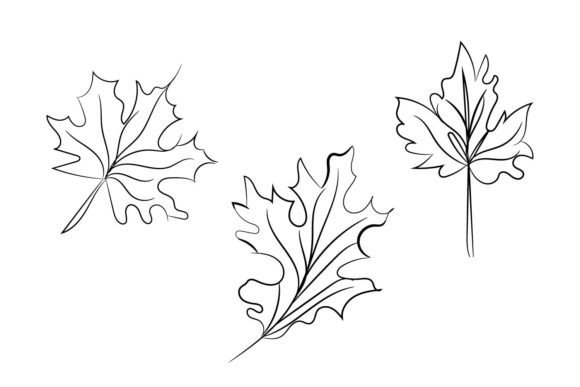
The moment I viewed the vector files, the aesthetic intent became clear. These are not rigid, symmetrical botanicals. They possess a loose, organic flow that screams "wild garden." For an embroidery project, this level of detail is a double-edged sword. On one hand, the irregular petals and flowing stems create a sense of movement that static flowers often lack. On the other hand, the fine lines require careful consideration regarding stitch density and hoop size.
In the context of custom apparel, this design feels less like a corporate logo and more like a boutique signature. It evokes a feeling of nostalgia and nature, making it perfect for brands targeting eco-conscious consumers or those looking for a soft, feminine touch in their small shop product line. The visual weight is balanced enough to work as a standalone motif or as part of a larger border, which is crucial when planning a tote bag design or a full-back print.
Testing the Waters: A Real-World Scenario
To truly evaluate Floral Wildflower Decorative Elements, I simulated a real client order: a custom embroidered linen apron for a local bakery owner. The client wanted something rustic yet elegant, nothing too stiff or cartoonish. I loaded the SVG file into my digitizing software to see how the paths would convert to stitches.
Here is where the practical judgment comes in. While the original file is a clean vector, converting wildflowers into machine embroidery design requires strategic thinking. If you simply auto-digitize the entire outline, you risk creating a mesh of threads that looks muddy from a distance. Instead, I found success by breaking the design down. The larger flower heads worked beautifully with a dense fill stitch to give them volume, while the delicate stems and leaves were best suited for a thin running stitch or a very narrow satin stitch.
When I hooped the linen with a cutaway stabilizer—essential for textured fabrics—and ran the test, the result was stunning. The organic shapes softened the heavy texture of the linen. However, had I tried this on a stretchy jersey knit without proper backing, the fine details likely would have puckered. This experience highlighted that Floral Wildflower Decorative Elements shines brightest on stable, medium-to-heavyweight fabrics where the stitch definition can remain crisp.
Where This Design Excels in Your Shop
If you are an Etsy seller or running a booth at a craft fair, versatility is your currency. This specific set of decorative elements offers significant value across several categories:
- Personalized Gifts: The whimsical nature of the wildflowers makes them ideal for baby items, such as receiving blankets or bibs. Just ensure the thread colors are soft pastels to match the gentle theme.
- Holiday Embroidery: Swap out the standard green stems for reds, golds, or silvers, and these designs instantly become festive accents for holiday stockings or gift tags.
- Apparel Branding: For a commercial embroidery project, placing a small cluster of these flowers near the cuff of a sweatshirt or the pocket of a denim jacket adds a subtle brand identity without overwhelming the garment.
- Digital Product Previews: Even if you are selling printable mockups, having a high-quality PNG version allows you to show potential buyers exactly how the finished product will look before they commit to purchasing the physical item.
The ability to scale these elements is also a major plus. You can use a single large bloom as a focal point on a pillow cover or scatter tiny sprigs along the hem of a tea towel. This flexibility means one purchase can generate dozens of unique finished product variations.
Critical Considerations for Professional Results
Despite its strengths, Floral Wildflower Decorative Elements demands respect from the maker. There are specific scenarios where this design needs careful handling to avoid disappointing results.
First, be wary of using this on very dark fabrics without a top layer of stabilizer. The intricate details of the wildflowers rely heavily on light reflection to appear dimensional. If the background is black or navy, you must ensure your thread colors provide sufficient contrast, or the design may disappear visually.
Second, consider the limitations of small hoop sizes. While the individual flowers might fit in a 4x4 inch hoop, the natural spread of a wildflower arrangement often requires a 5x7 or 6x10 hoop to maintain the intended proportions. Trying to cram the full composition into a small area can distort the organic feel, making the flowers look squashed rather than blooming.
Finally, do not underestimate the importance of testing. Before committing to a batch of personalized gifts or custom apparel, always run a test on scrap fabric. Check the stitch density closely. Are there any gaps in the fill? Do the satin stitches lay flat? Is the pull too tight, causing the fabric to pucker around the delicate stems? These small adjustments make the difference between a professional piece and a hobbyist mistake.
Technical Compatibility and Licensing
From a technical standpoint, the package includes AI, EPS, high-quality PNG, SVG, and PDF files. This variety is excellent for designers working across different platforms. Whether you are using Illustrator for layout, a cutting machine for applique bases, or a direct embroidery interface, having multiple formats ensures you aren't stuck. However, remember that these are vector graphics, not pre-digitized embroidery files (like .DST or .PES). You will need to digitize them yourself or hire a specialist to convert them into a usable embroidery file format for your machine.
Regarding licensing, always confirm the terms before selling finished items. Since this falls under Graphics and Crafts, the creator likely permits commercial use for handmade goods, but you should verify if there are restrictions on selling the digital files themselves or using the design on mass-produced items. Contacting the seller directly, as suggested in the product description, is the safest route to ensure your business remains compliant.
Final Verdict for the Creative Entrepreneur
Floral Wildflower Decorative Elements is a strong asset for the modern maker. It bridges the gap between digital artistry and tactile craftsmanship. Its organic shapes offer a fresh alternative to the overused geometric patterns dominating the market today. However, its success relies entirely on your execution. It rewards careful digitizing, proper stabilizer selection, and thoughtful color choices.
If you are looking to elevate your embroidered patch game, add a touch of elegance to your baby embroidery line, or create standout pieces for your holiday embroidery collection, this design is worth the investment. Just take the time to test, tweak, and trust your eye. With the right application, these wildflowers won't just sit on your fabric; they will bloom.