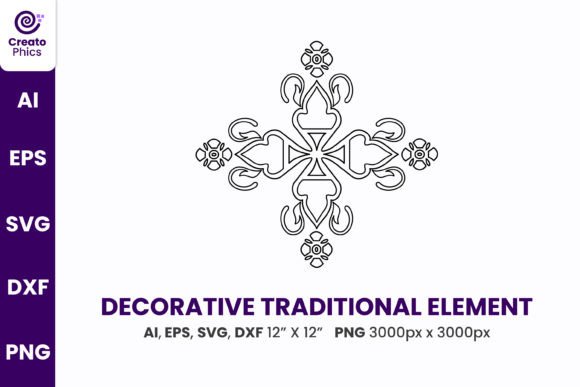
Traditional Decorative Vector Element for Graphics & Print Templates
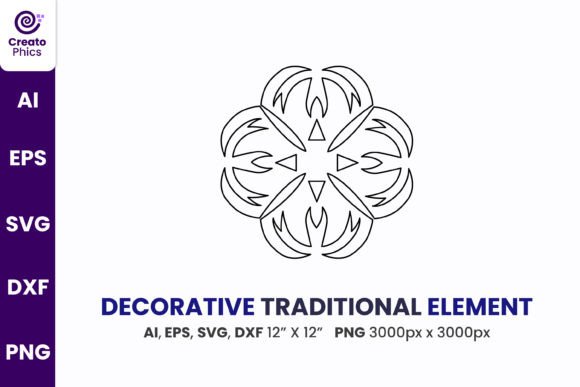
I recently opened my design software to prepare a new batch of custom gift tags and sublimation mugs for an upcoming holiday market. As a small business owner who relies heavily on high-quality digital assets, I know that the difference between a premium handmade product and a generic craft often comes down to the details. That is why I was eager to test out the Traditional Decorative Vector Element. This specific asset caught my eye immediately because it promises a symmetrical, geometric design with intricate, balanced lines. For a crafter looking to elevate their brand without starting from scratch, this kind of graphic design asset can be a game-changer.
First Impressions: Elegance Meets Versatility
The moment I imported the file into my Cricut Design Space, the mood was clear. This is not a playful or cartoonish clipart; it exudes a sense of timeless elegance. The symmetry creates a visual balance that feels both classic and sophisticated. If you are targeting customers who appreciate vintage aesthetics, bohemian styles, or clean modern minimalism, this traditional decorative vector element fits perfectly. It has that "premium" look that justifies a higher price point on Etsy or at a local craft fair. Unlike many free graphics that feel flat or pixelated, this illustration holds up beautifully when zoomed in, showcasing its intricate details without losing clarity.
For my current project line, which focuses on upscale wedding favors and home decor, this design provides exactly the right amount of ornamentation. It doesn't scream for attention but rather frames the content around it, acting as a beautiful border or a central focal point. Whether you are creating a tumbler wrap, a mug design, or a set of luxury gift tags, the balanced nature of the lines ensures that the final product looks professionally designed rather than amateurish.
Real-World Applications for Handmade Sellers
As someone who runs a busy creative studio, I need assets that work across multiple mediums. One of the strongest selling points of this Print Templates category item is its versatility. Here is how I plan to integrate it into my workflow:
- Vinyl Cutting Projects: Because the lines are distinct and the geometry is precise, this SVG design is excellent for vinyl cutting. I can use it to create layered window decals or intricate wall art pieces. The symmetrical nature means it works well as a repeating pattern for larger surfaces like fabric or wallpaper.
- Sticker Design: For my sticker shop, this asset is perfect for creating die-cut stickers. The intricate details translate well to kiss-cut vinyl, allowing for a high-end feel on planner stickers or laptop decals.
- Sublimation and Textiles: When converting this to a PNG design for sublimation, the resolution remains crisp. I plan to use it on white ceramic mugs and tote bags. The geometric shapes ensure that the ink lays down evenly, avoiding muddy areas common in low-quality files.
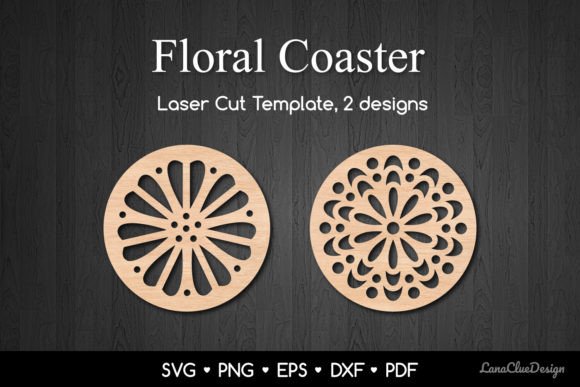
- Laser Cutting: Since the description mentions laser cutting suitability, I am testing it on wood veneer. The balanced lines should cut cleanly without burning the edges, making it ideal for personalized coasters or wooden ornaments.
- Small Business Branding: Beyond physical products, this graphic works wonders for digital branding. I can incorporate it into my invoice templates, social media posts, or even as a watermark for my digital product downloads.
Where This Asset Shines Brightest
This traditional decorative vector element truly excels when used in contexts that require a touch of refinement. It is my go-to choice for large cut files where the detail can be appreciated up close. In seasonal craft bundles, such as Christmas or Thanksgiving collections, this design adds a festive yet classy vibe without relying on cliché imagery like snowflakes or turkeys. It also serves as an outstanding decorative accent in product mockups, helping potential buyers visualize the final result more clearly.
If you are building a design bundle for your creative marketplace store, pairing this element with various font styles can yield incredible results. Imagine combining these geometric lines with a delicate script font for wedding invitations or a bold sans serif font for modern home decor signs. The contrast between the intricate vector and clean typography creates a dynamic composition that draws the eye.
Crafting Considerations: What to Watch Out For
While I love this asset, every experienced crafter knows that no file is perfect for every situation. There are specific scenarios where you must use this traditional decorative vector element with caution. First, avoid using it for very small cutting details. If you are trying to cut a tiny 1-inch sticker, the intricate lines might be too fine for your machine's blade, leading to weeding nightmares or broken pieces.
Secondly, be careful with crowded compositions. If you layer this design over a busy background or combine it with too many other elements, the balanced lines can get lost. It needs breathing room to shine. Additionally, if you are working with low-contrast colors, the finer details might not print clearly on certain materials. Always preview your PNG design transparency before sending it to print, especially for dark fabrics where light-colored ink might struggle to show the thin lines.
Another consideration is the complexity of the file for layered vinyl projects. While the symmetry is beautiful, ensuring that every single piece aligns perfectly during the weeding process can be time-consuming. If you are on a tight deadline for a customer order, consider simplifying the layout or using it as a single-layer cut instead of a multi-color design.
Practical Tips for Your Workflow
To get the most out of this Graphics resource, follow these practical steps before launching your product line:
- Test the File First: Never skip the test run. Cut a sample on scrap vinyl or print a draft on standard paper to check for any stray nodes or open paths in the SVG design.
- Check Resolution: Ensure the PNG version is high enough resolution (300 DPI) for sublimation printing. Blurry edges will ruin the premium look of your Etsy product.
- Color Testing: Test how the design looks on both white and dark products. You may need to adjust the stroke weight slightly for darker backgrounds to maintain visibility.
- Mockup Placement: Place the design on real product mockups to see how it scales. Resize it for different applications, from a small planner page to a large t-shirt design.
- Font Pairing: Experiment with different typefaces. A handwritten font might make it feel cozy and rustic, while a display font could make it feel bold and modern.
- Verify Licensing: Before using this asset for customer orders or mass production, confirm the commercial license terms. Ensure you have the right to sell finished goods created with this commercial design asset.
In conclusion, the Traditional Decorative Vector Element is a robust tool for any serious crafter or small business owner. Its ability to bridge the gap between traditional elegance and modern geometric trends makes it a valuable addition to any design assets library. Whether you are prepping for a craft fair, updating your print-on-demand catalog, or simply adding a touch of class to your next DIY project, this symmetrical design offers the flexibility and quality needed to create standout handmade products. By understanding its strengths and limitations, you can leverage it to build a cohesive and professional brand that resonates with your customers.