Botanical Floral Flower Decorative Review
As a designer who has spent years translating digital concepts into tangible stitched goods, I approach every new asset with a mix of excitement and skepticism. The market is flooded with generic patterns that look great on a screen but fall apart under the needle. When I first opened the package for Botanical Floral Flower Decorative, my immediate goal was to determine if this was just another pretty picture or a viable tool for my craft business. This review breaks down how this specific design holds up when moved from the computer to the hoop.
First Impressions: Mood and Visual Weight
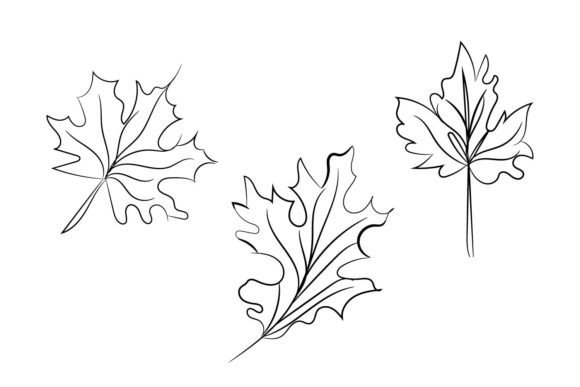
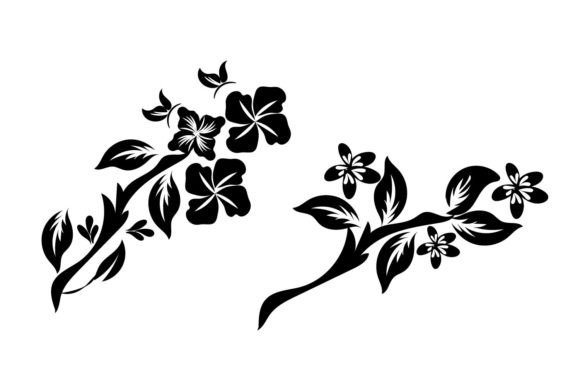
The initial visual impact of Botanical Floral Flower Decorative is one of organic elegance. Unlike rigid geometric patterns often found in standard graphics libraries, this design breathes. The layout suggests a natural growth pattern, making it an excellent candidate for projects requiring a soft, artisanal feel. Whether you are planning a boutique brand launch or creating personalized gifts, the aesthetic leans heavily toward the handmade and the thoughtful.
However, as a professional reviewer, I always ask myself: does the visual complexity match the intended application? For a large-scale project like a pillow cover or a heavy-duty tote bag, the intricate details of the floral elements could add significant value. But for smaller applications, such as a cap patch or a baby onesie, the density might need careful consideration. The mood is undeniably serene, which positions it perfectly for nursery decor, wedding favors, or high-end kitchen linens where a touch of nature elevates the finished product.
Testing the Design in Real-World Scenarios
To truly evaluate Botanical Floral Flower Decorative, I imagined placing it on a canvas tote bag destined for a local craft fair. In this scenario, the design serves as the focal point. The flow of the flowers would guide the eye across the fabric, creating a balanced composition even without additional text. For an Etsy seller looking to expand their catalog of custom apparel, this type of botanical theme is evergreen. It works beautifully on sweatshirts, where the texture of the fleece complements the organic lines of the embroidery.
Consider also the potential for an embroidered patch. If you are producing patches for small shop products, the clean lines of the graphics file allow for crisp edges. However, the success here depends entirely on how the design translates into stitch types. A well-executed fill stitch can give the petals depth, while satin stitching along the stems adds definition. If you are targeting the holiday gift market, this design offers a sophisticated alternative to seasonal clichés, fitting well on aprons, tea towels, or blanket corners.
Navigating Fabric and Hoop Constraints
While the design is visually appealing, practical limitations must be addressed before committing to production. One of the primary concerns with any detailed botanical piece is the hoop size. If your machine only accommodates a 4x4 inch hoop, you may find that Botanical Floral Flower Decorative requires splitting, which can disrupt the flow of the design and leave visible jump stitches. Always confirm the dimensions against your equipment before purchasing.
Fabric texture is another critical factor. On smooth cotton or linen, the details will pop. However, on textured fabrics like tweed or thick denim, fine lines might get lost in the weave. Similarly, working with stretchy materials like jersey knit requires a robust stabilizer to prevent puckering. If you plan to use this on dark fabric, ensure the thread colors provide enough contrast; otherwise, the delicate nature of the flowers may disappear into the background. For curved surfaces like caps, the rigidity of the floral arrangement might cause distortion unless the design is specifically engineered for 3D surfaces.
Stitch Density and Technical Execution
When converting a digital graphic into a machine embroidery design, stitch density becomes the make-or-break element. High-density areas in Botanical Floral Flower Decorative could lead to stiffness in the final garment if not managed correctly. As a designer, I recommend running a test on scrap fabric first. Check for pull-through on thin materials and ensure the backing is sufficient to support the weight of the threads.
The interplay between running stitch, satin stitch, and fill stitch defines the quality of the output. If the design relies too heavily on dense fill, the resulting patch or applique might feel board-like, reducing the comfort of the finished product. Conversely, too much open work might lack the durability needed for items that undergo frequent washing, such as kitchen towels or children's clothing. Balancing these elements ensures that the embroidery remains durable while retaining its visual appeal.
Strategic Use for Business and Branding
For creative entrepreneurs and small business owners, consistency is key. Using Botanical Floral Flower Decorative across multiple product lines—such as matching tote bags, hats, and shirts—can strengthen brand recognition. The cohesive look builds trust with customers who associate your brand with quality and attention to detail. However, remember that the licensing terms matter. While the product description mentions various file formats like AI, EPS, PNG, SVG, and PDF, you must verify if these files are cleared for commercial use in finished goods or if they are restricted to personal projects.
Creating printable mockups using the high-quality PNG or SVG versions allows you to showcase the design to potential buyers before investing in physical production. This step is vital for Etsy sellers and digital product creators. It helps visualize how the thread colors interact with different fabric backgrounds and ensures the design meets customer expectations. A professional presentation increases buyer engagement and reduces the risk of returns due to mismatched expectations.
Final Verdict for Makers and Designers
In conclusion, Botanical Floral Flower Decorative is a versatile asset that brings a touch of nature to any embroidery project. Its strength lies in its ability to elevate simple crafts into premium handmade products. However, its success depends on the maker's ability to adapt it to the right medium. Test it thoroughly, respect the limitations of your machinery, and choose your fabrics wisely. Whether you are decorating a baby item, creating a holiday gift, or stocking your boutique, this design offers a solid foundation for creativity. Just remember to double-check the file compatibility with your specific software and machine before starting your next run. With the right execution, this botanical motif can become a signature element in your portfolio of custom apparel and decorative arts.